Brown Butter Chocolate Chipless Cookies
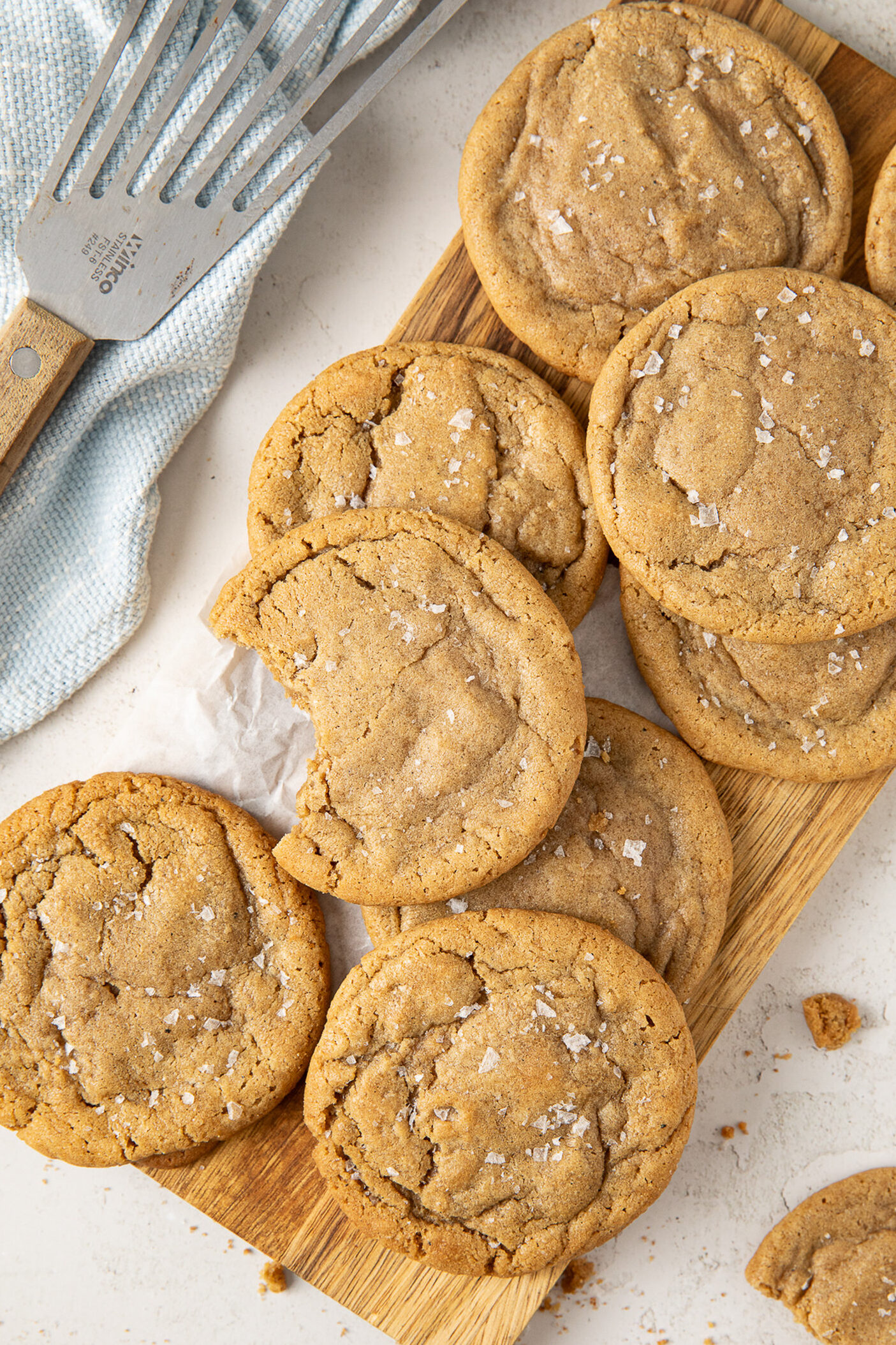
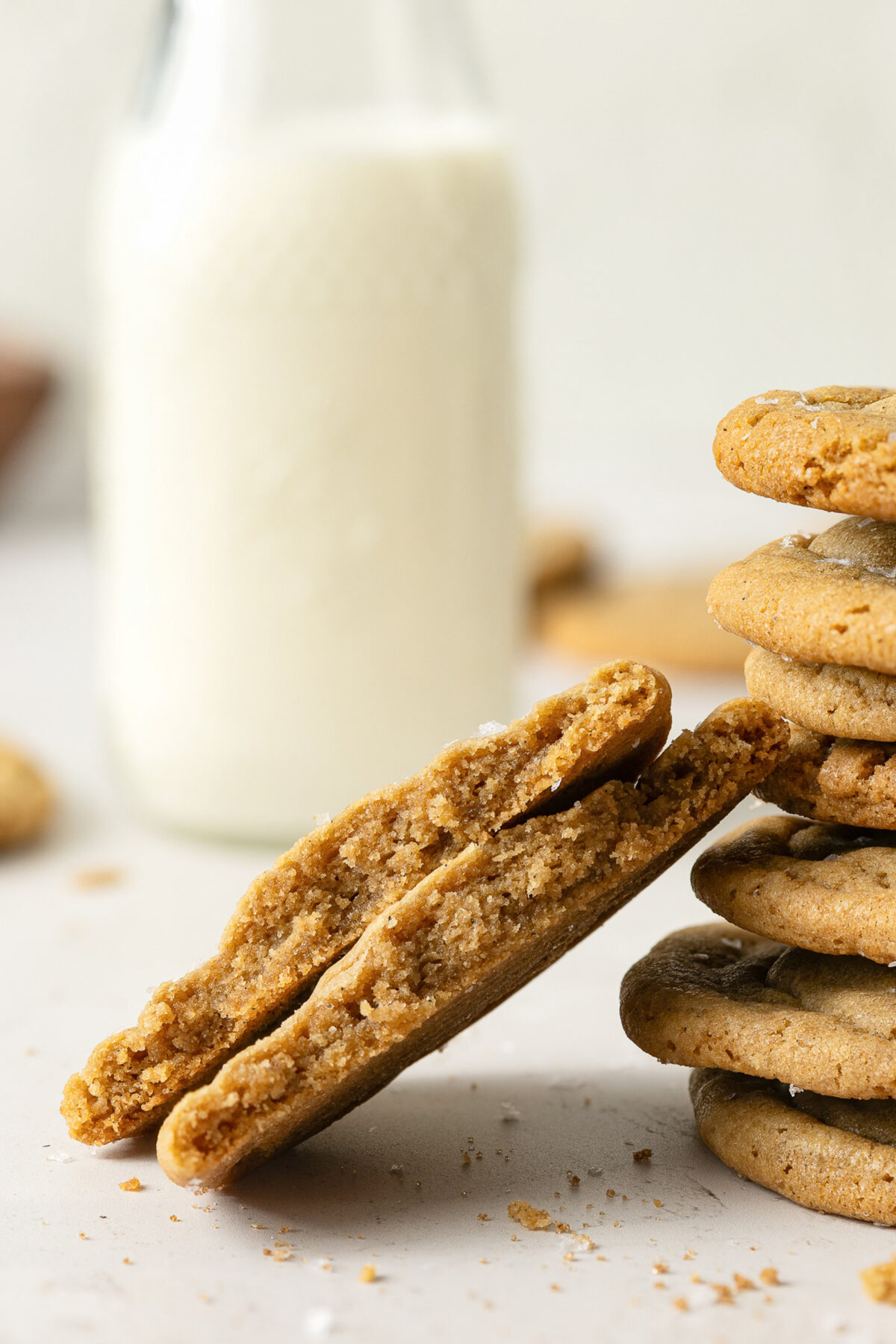
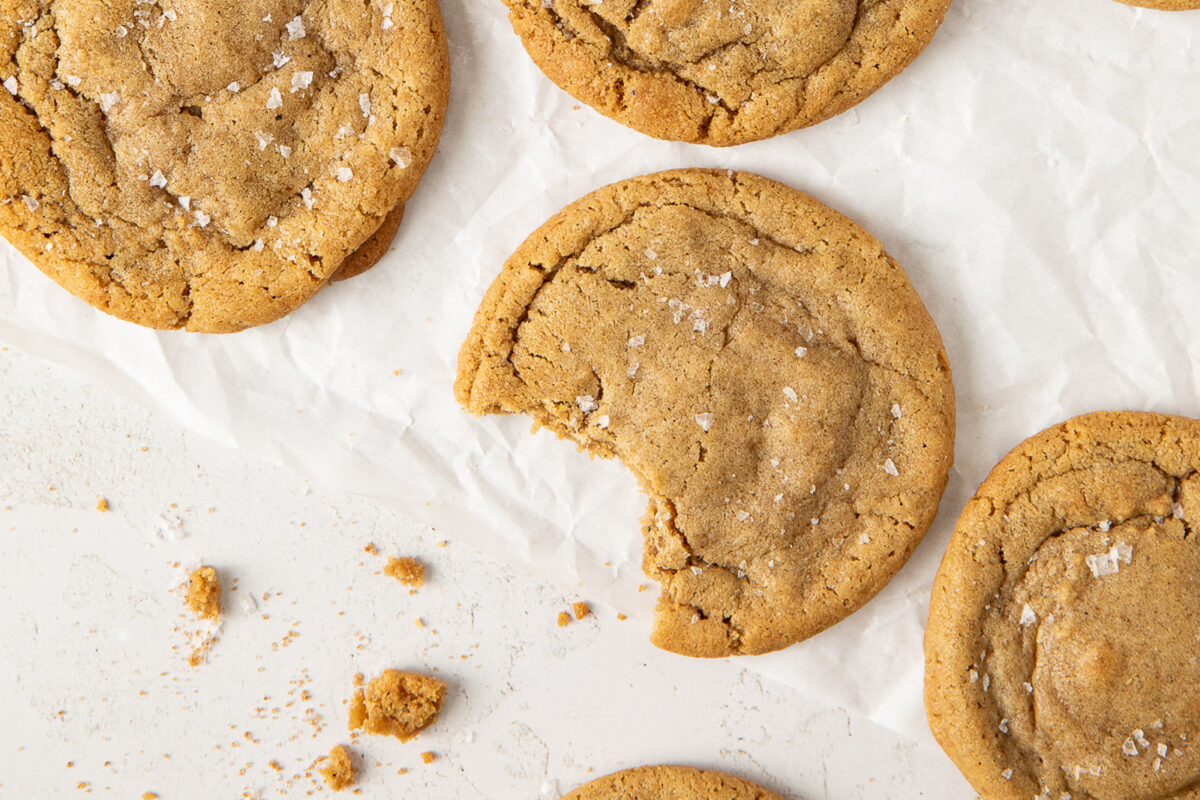
These Brown Butter Chocolate Chipless Cookies swap the chocolate chips for rich, nutty brown butter and caramel flavor. These cookies have thick, golden brown edges and soft, chewy centers every time. They’re perfect for a weekend baking day, a holiday cookie swap, or anytime you want something a little different from your everyday chocolate chip cookie dough.
Why Chocolate Chipless Cookies?
I love a good classic chocolate chip cookie (they’re actually my favorite), but every now and then I just want that brown sugar cookie dough without any chocolate chips. You just cannot beat brown sugar cookies… anybody else with me?
My family goes through these chewy cookies just as fast as they do classic chocolate chip cookies.
Why You’ll Love This Recipe
You could certainly just leave the chocolate chips out of your favorite chocolate chip cookie recipe, but this recipe is so much more than that!
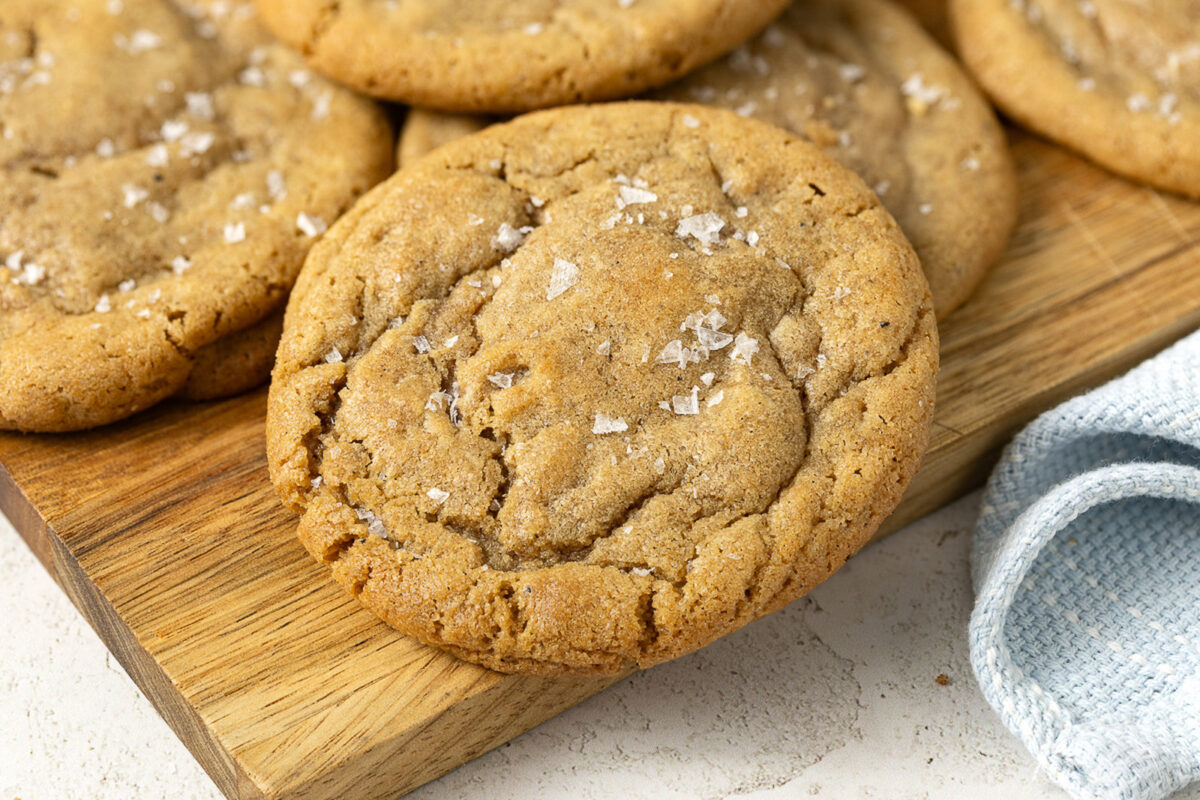
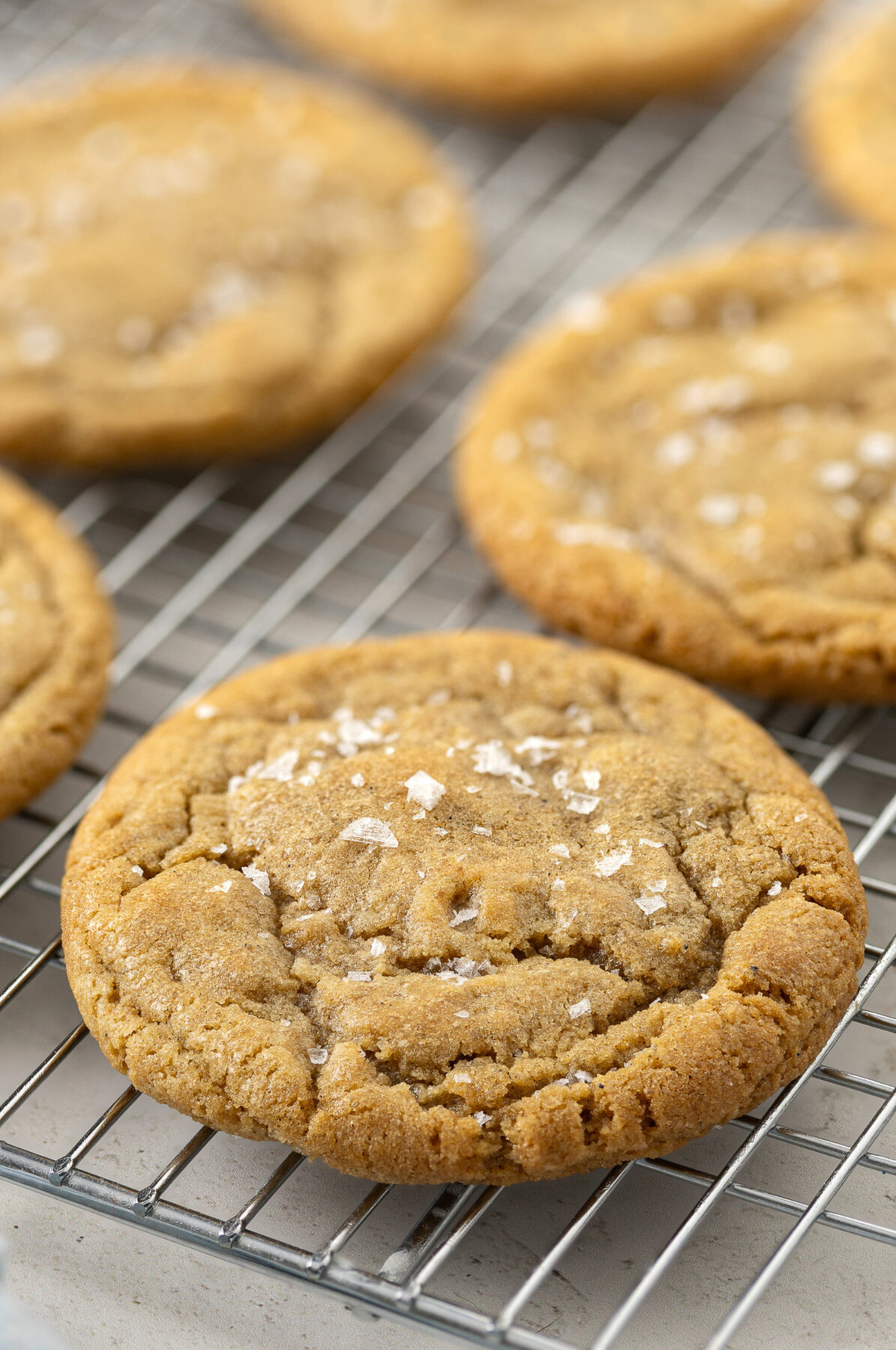
Thick edges, soft centers. Between the chilled dough, the flour mixture of all-purpose and cake flour, and a quick freeze right before baking, these cookies hold their shape beautifully. You get slightly crisp edges and a soft center in every single one.
A great base recipe. Once you’ve made the classic version, this turns into a great base recipe for all kinds of variations, from an espresso version to a warm, spiced Cinnamon Chai take (see Variations below).
Rich, nutty flavor. Browned butter gives these cookies a depth of flavor you don’t always find in a brown sugar cookie. It’s the kind of caramel flavor that makes people ask what your secret is.
Tools Needed
- Small saucepan (a light-colored one, like stainless steel, so you can see the butter browning)
- Instant-read thermometer
- Large bowl or the bowl of a stand mixer
- Whisk
- Medium bowl, for the dry ingredients
- Rubber spatula
- Cookie scoop or a 1/4 cup measuring cup
- Two cookie sheets
- Parchment paper
- Wire rack
Ingredients
Here’s what you’ll need to make these brown butter cookies. Find the full recipe with ingredient measurements in the recipe card below.
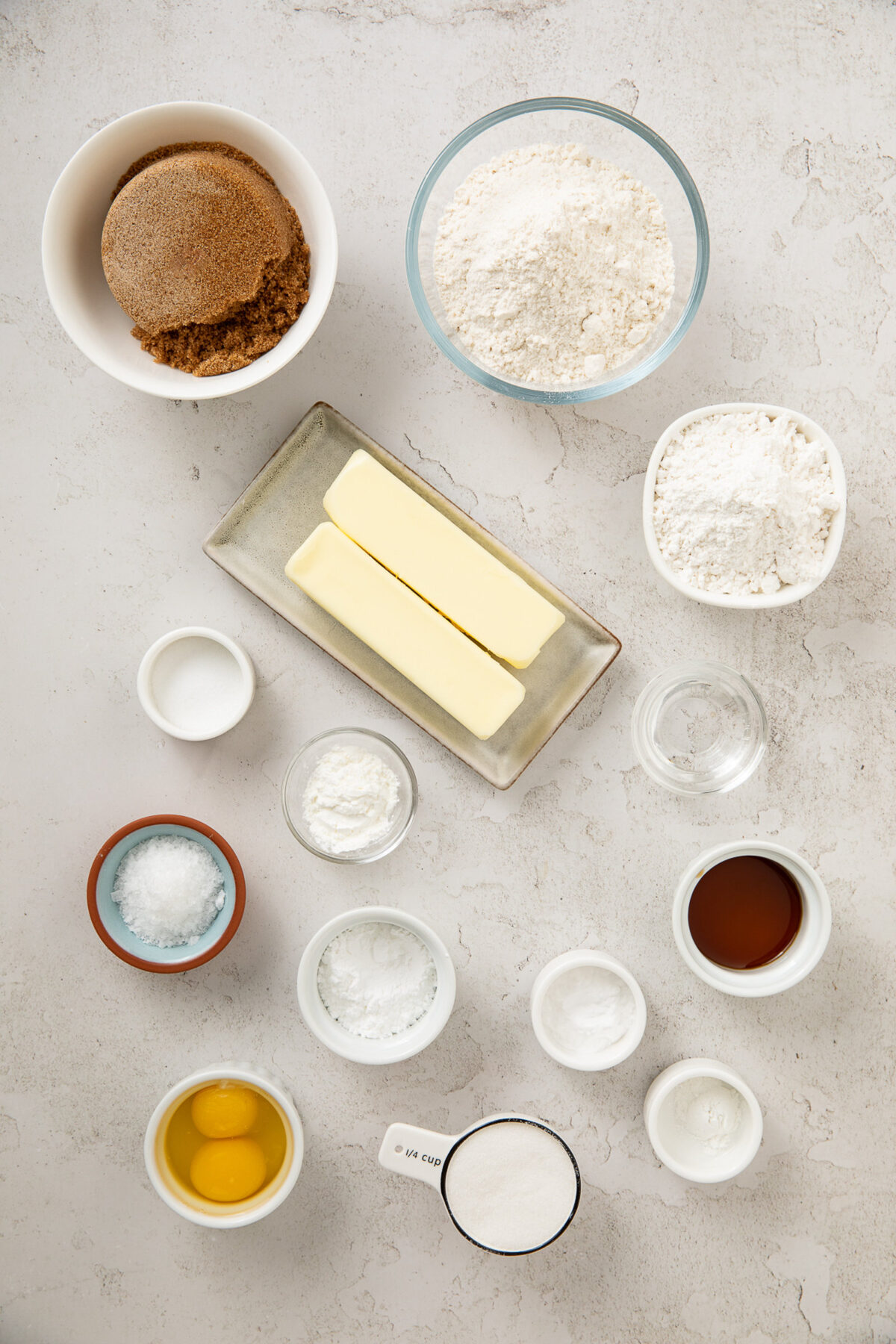
- Unsalted butter, divided (salted butter works too, just cut back a little on the added salt)
- Pure vanilla extract
- Dark brown sugar (light brown sugar can be used in a pinch, but dark brown sugar gives the best caramel flavor)
- Granulated white sugar
- Confectioners sugar
- 1 egg plus 1 extra egg yolk, at room temperature
- All-purpose flour and cake flour (a simple substitution is in the recipe card if you don’t keep cake flour on hand)
- Cornstarch
- Baking soda and baking powder
- Table salt, or kosher salt to taste
- Flaky sea salt, for sprinkling on top
Find the complete recipe with ingredient measurements in the recipe card below.
Substitutions
Cake flour – replace with an equal amount of all-purpose flour plus 1 teaspoon of cornstarch per one half cup of cake flour swapped. The texture will be slightly less tender but still delicious
Unsalted butter – salted butter works, but reduce the added table salt by 1/2 teaspoon
Dark brown sugar – light brown sugar can be used, but the caramel flavor and moisture retention will be less pronounced
Pure vanilla extract – vanilla bean paste works at a 1:1 swap and adds visible flecks
Egg – for an egg-free version, replace the whole egg and yolk with 3 tablespoons of full-fat sour cream. Texture will be slightly cakier
How to Make Brown Butter Chocolate Chipless Cookies
These cookies take a little patience, but every extra minute of chilling is worth it for that chewy texture. Here’s the basic process, and you’ll find the full step-by-step in the recipe card.
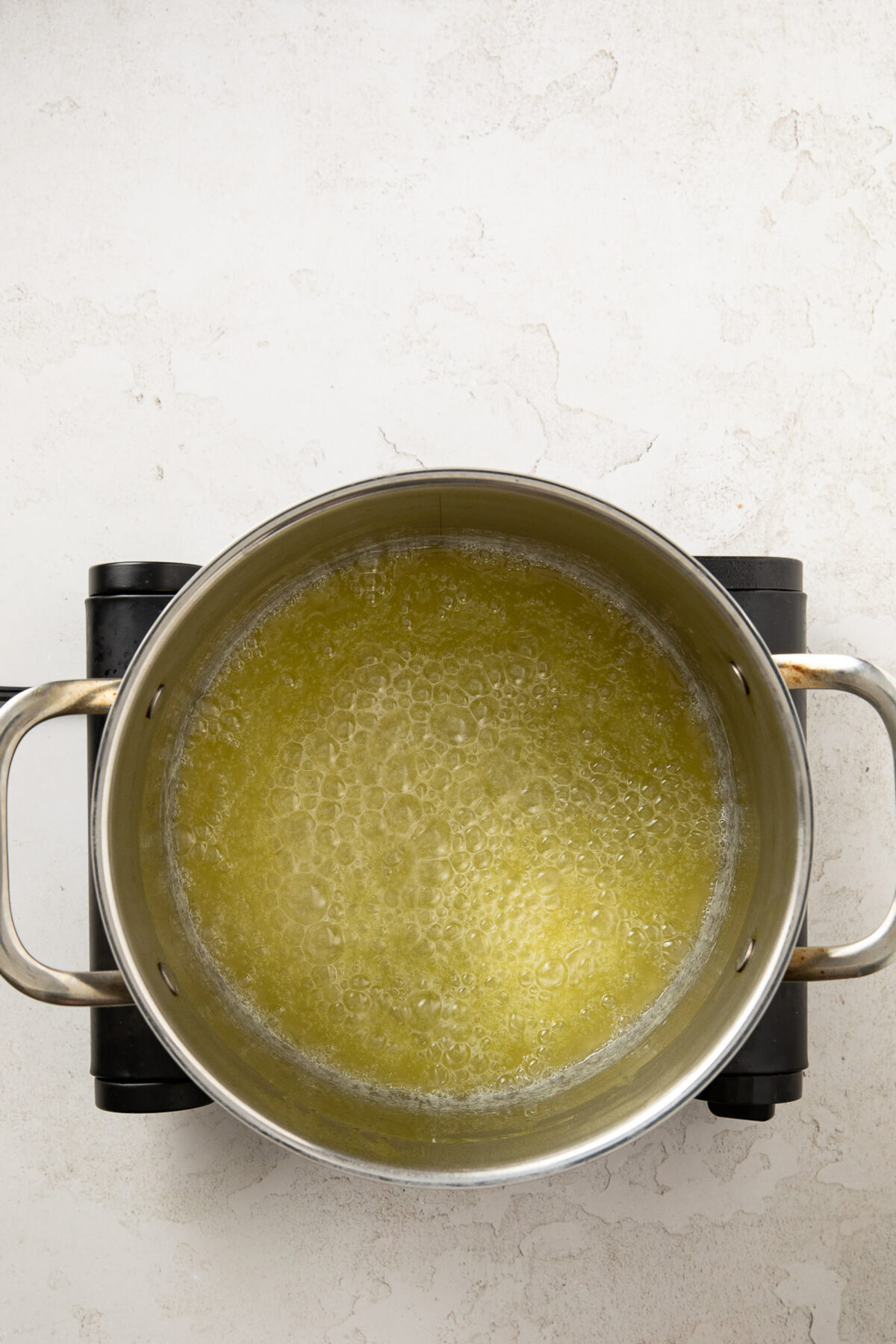
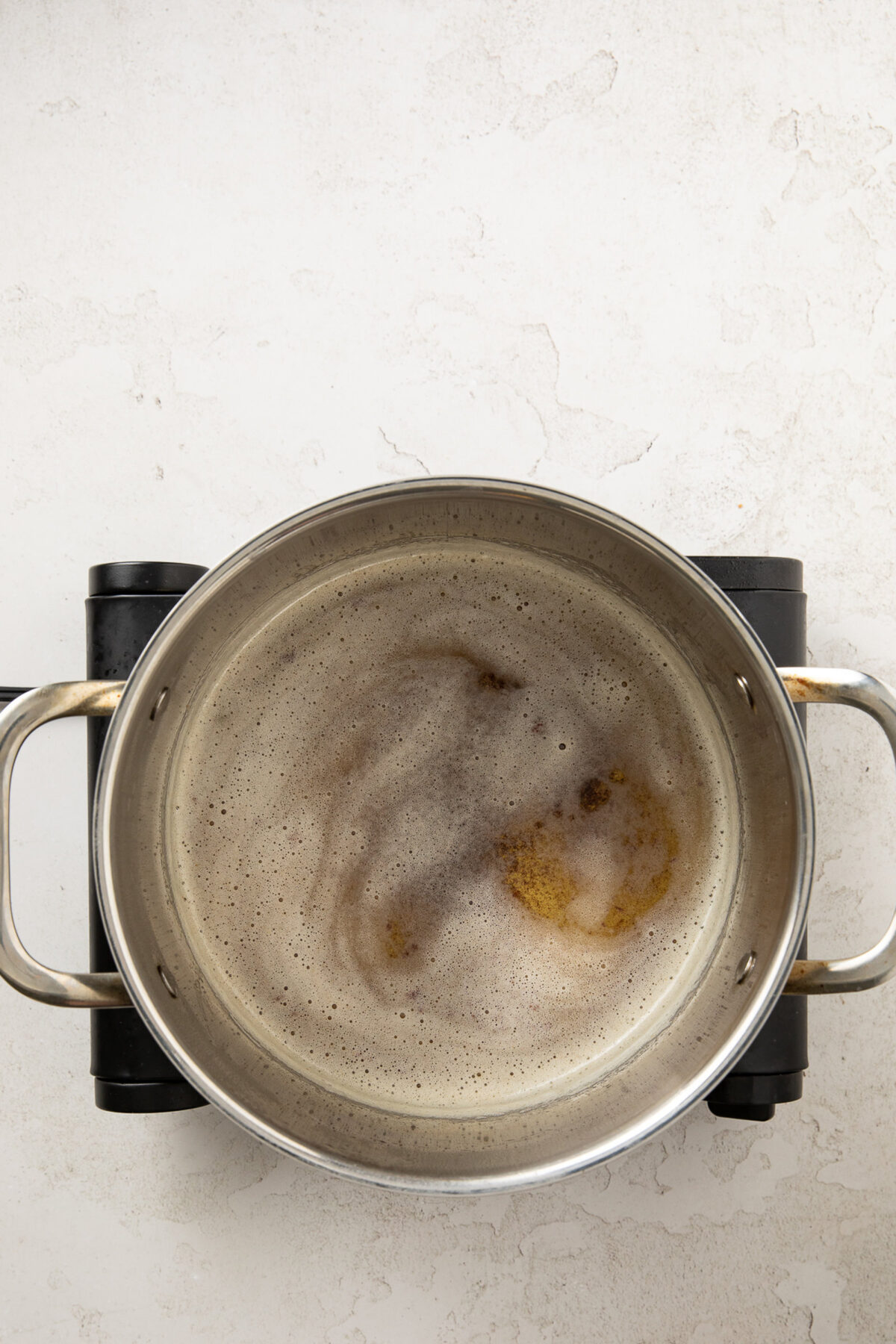
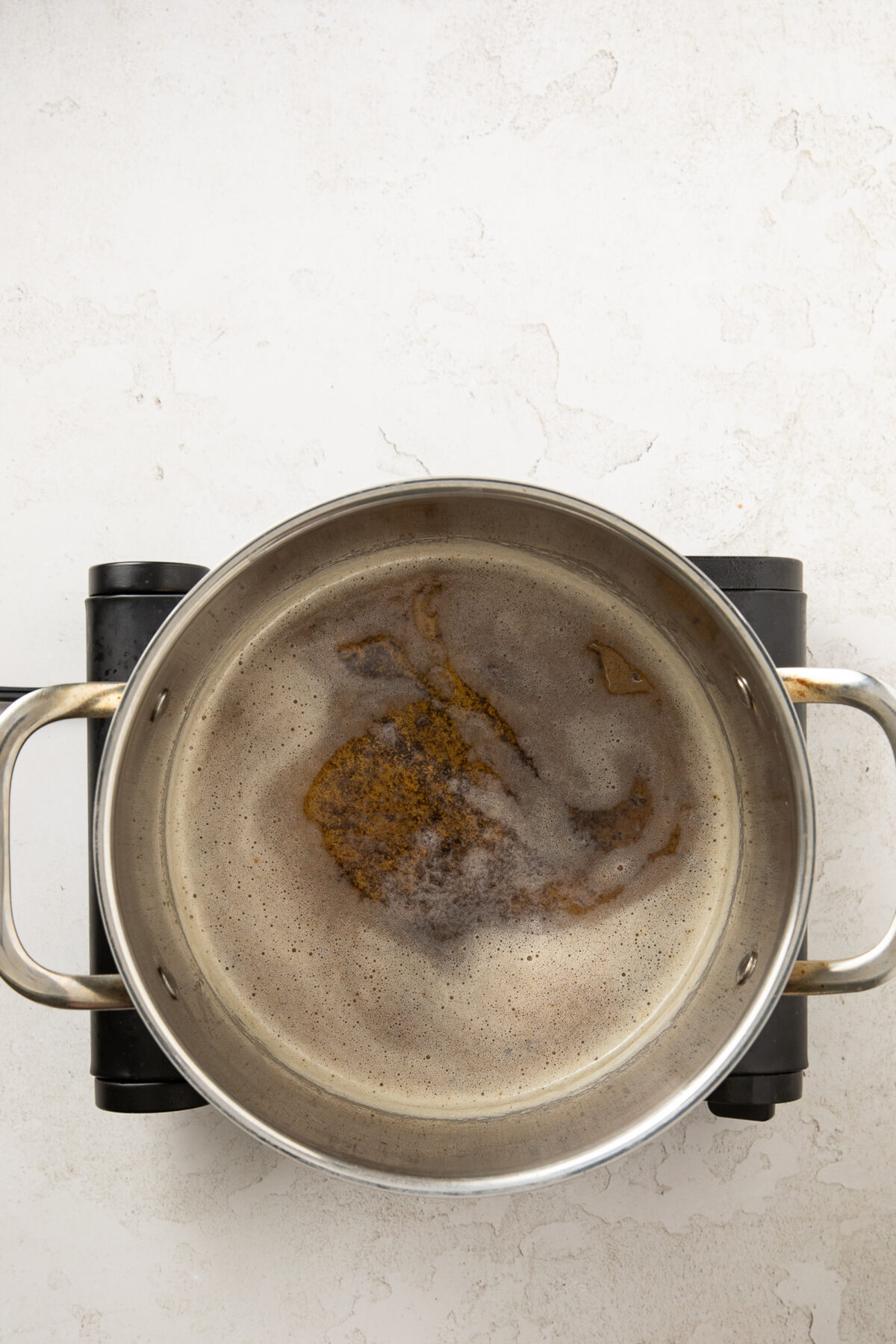
- Brown half the butter in a small saucepan over medium heat, stirring often, until it smells nutty and golden brown bits form on the bottom of the pan. Stir in the remaining butter to stop the browning, then whisk in the vanilla extract while it’s still warm. Let it cool to room temperature before moving on.
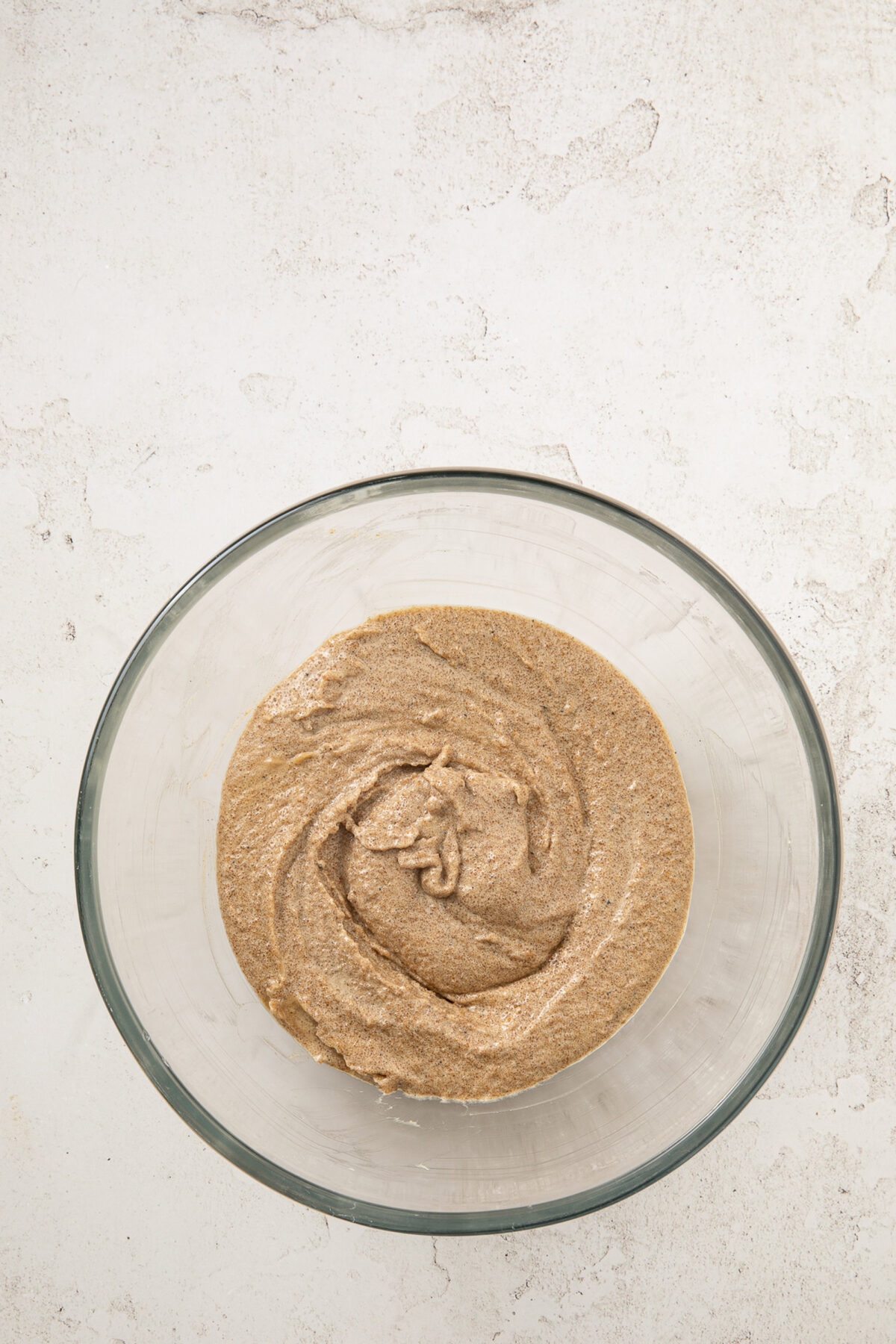
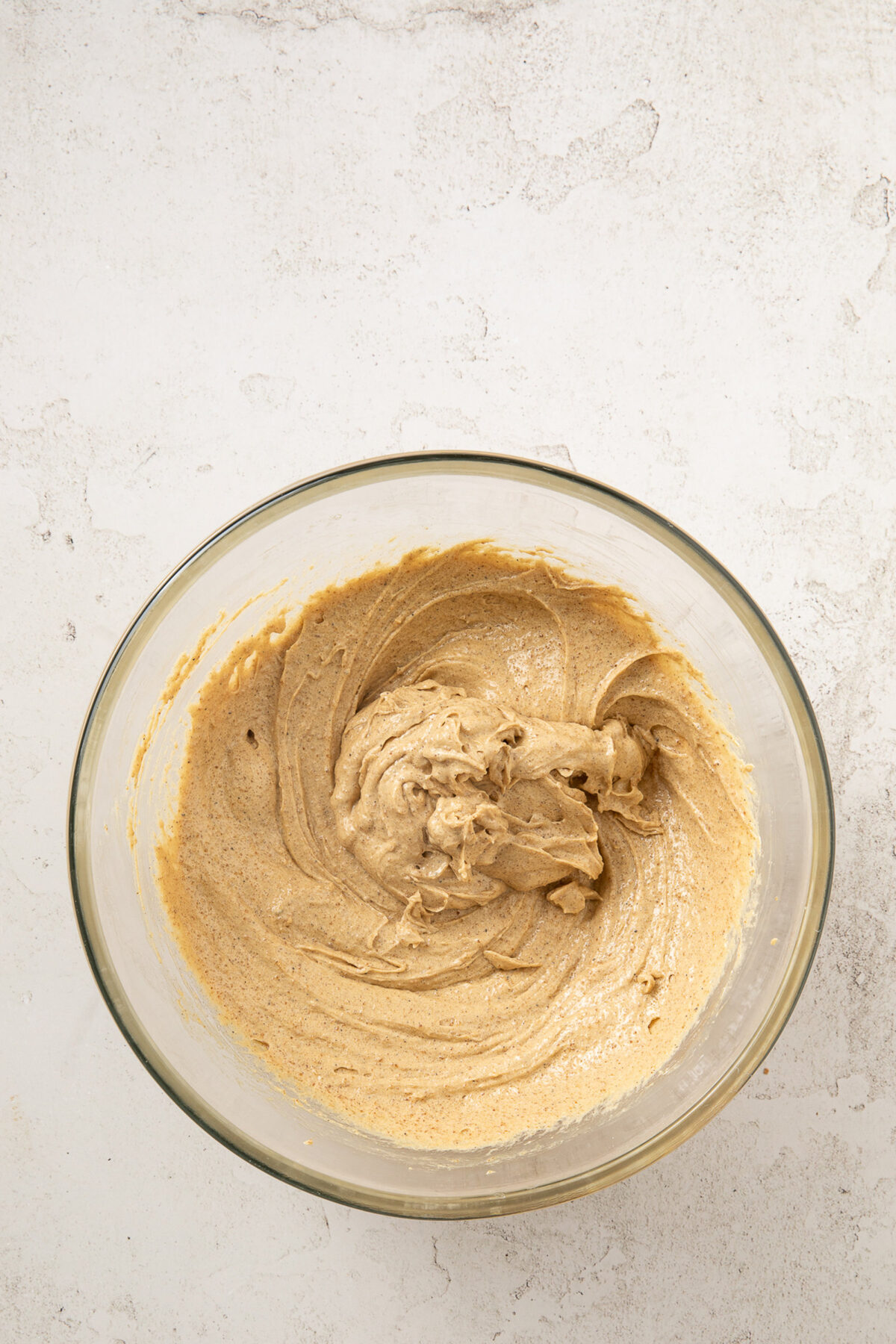
- In a large mixing bowl, or the bowl of a stand mixer fitted with the paddle attachment, whisk the cooled butter with the dark brown sugar, white sugar, and confectioners’ sugar until it looks like wet sand. Add the egg and extra egg yolk and whisk until glossy.
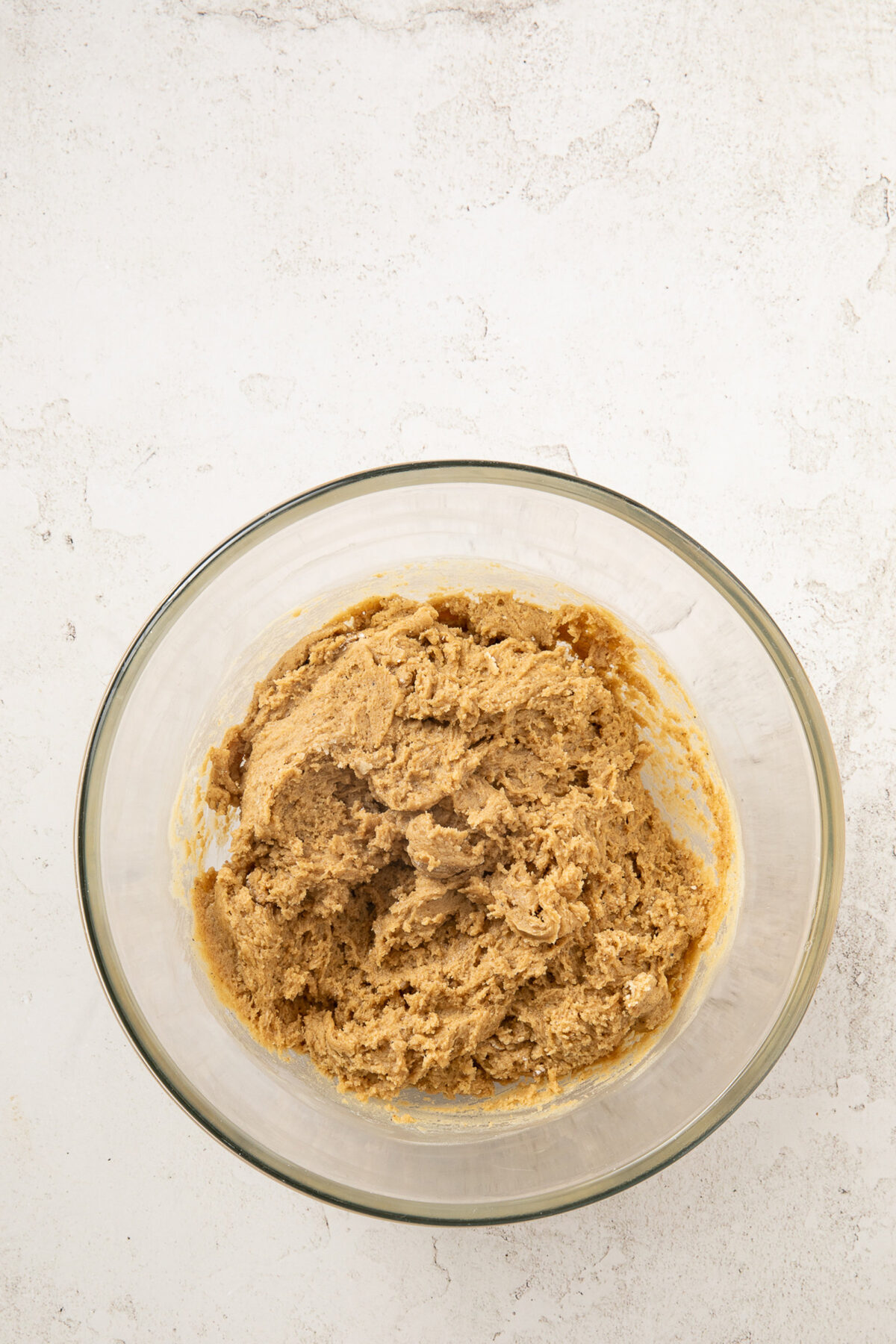
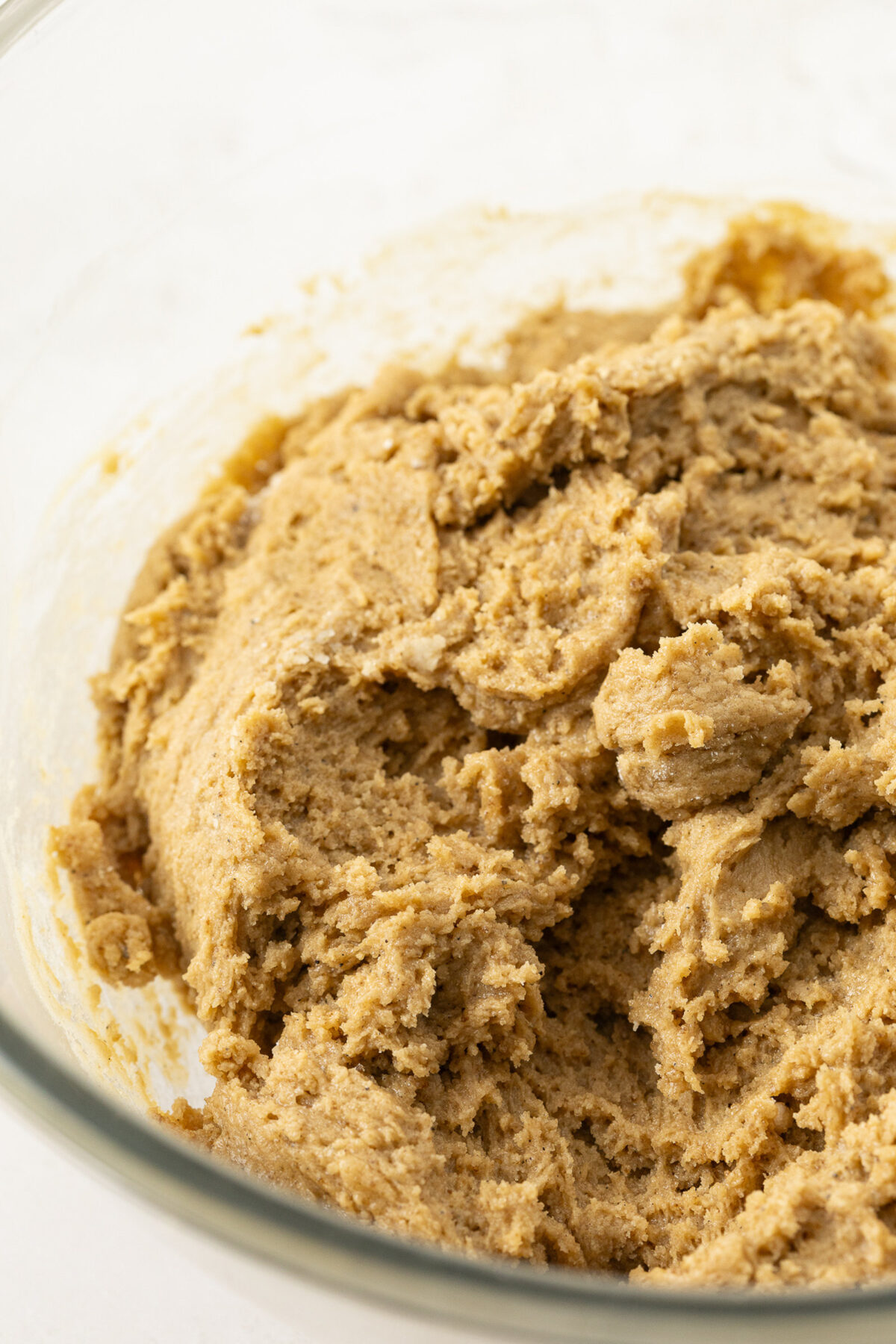
- In a separate bowl, whisk together the dry ingredients: the flour mixture of all-purpose flour and cake flour, plus the cornstarch, baking soda, baking powder, and salt. Fold into the wet ingredients with a rubber spatula, scraping the sides of the bowl, just until no streaks of flour remain.
- Cover and chill the dough for 30 to 60 minutes.
- While the dough chills, preheat your oven to 375°F (190°C). Line two large baking sheets with parchment paper.
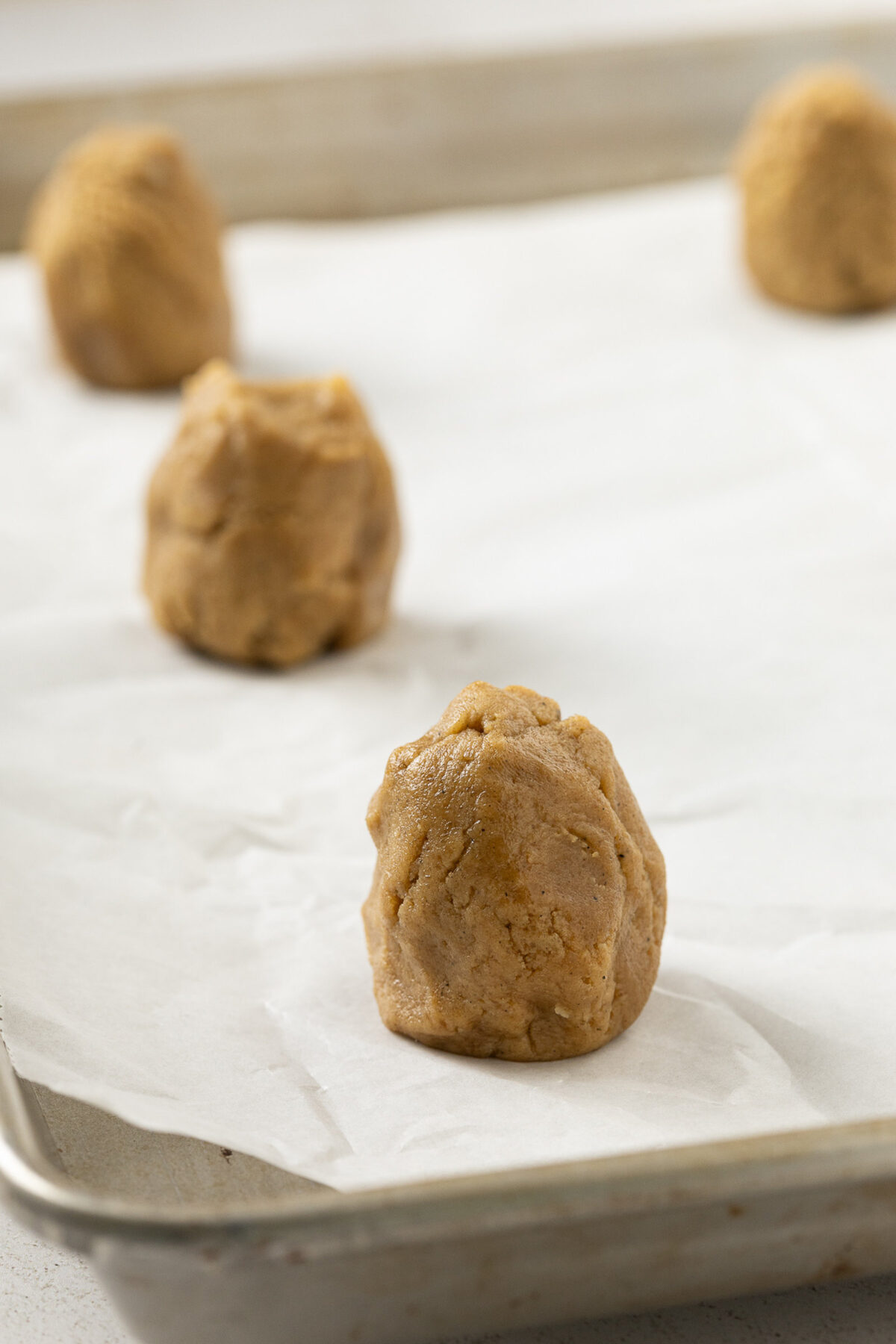
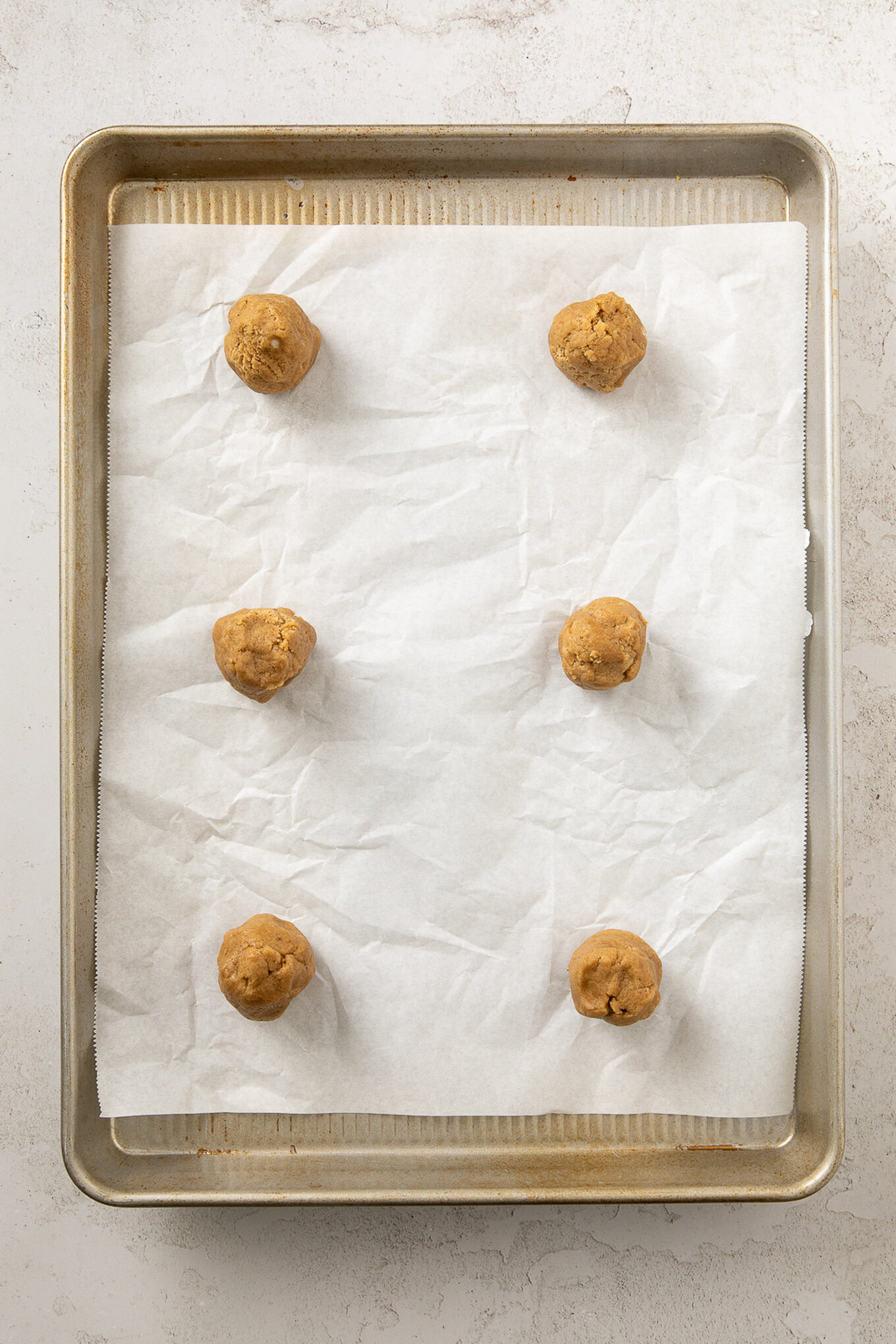
- Scoop the dough into cookie dough balls with a cookie scoop or measuring cup, then shape each one into a tall cylinder rather than a round ball. Place them on your prepared cookie sheet and freeze the whole sheet pan for about 15 minutes. This step is what keeps the cookies thick instead of flat.
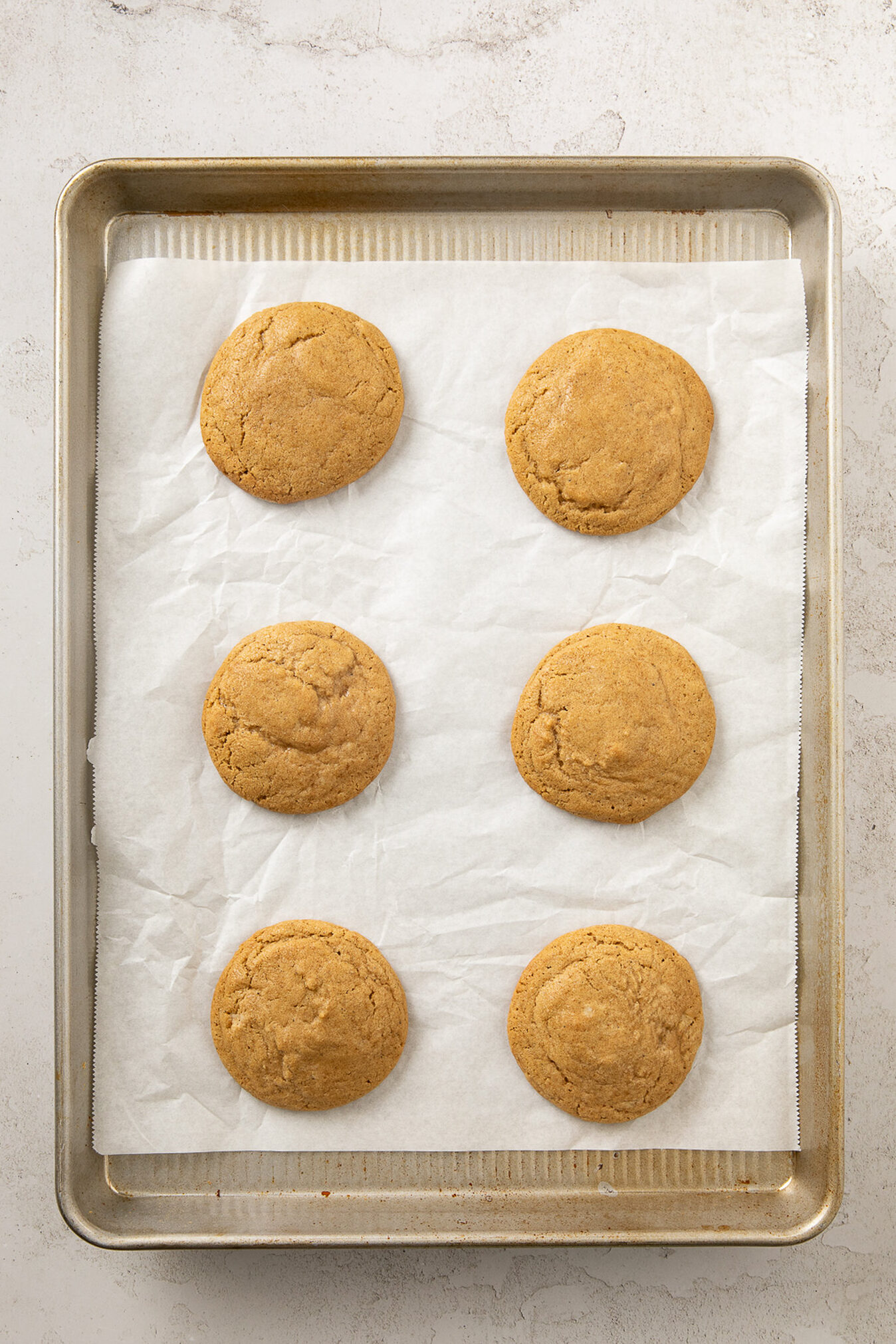
- Bake 10-12 minutes, until the edges are golden brown and the centers still look soft and a little shiny.
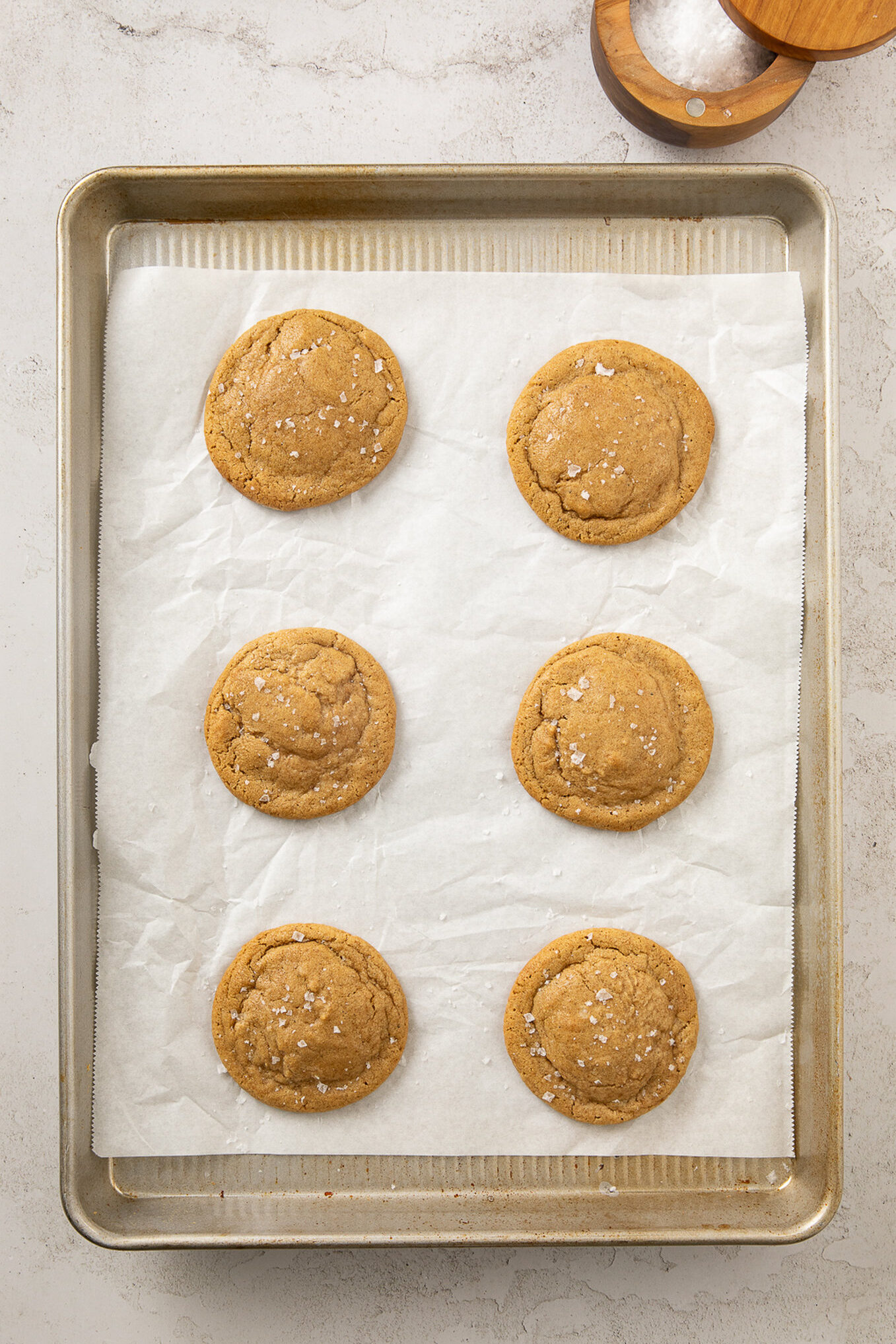
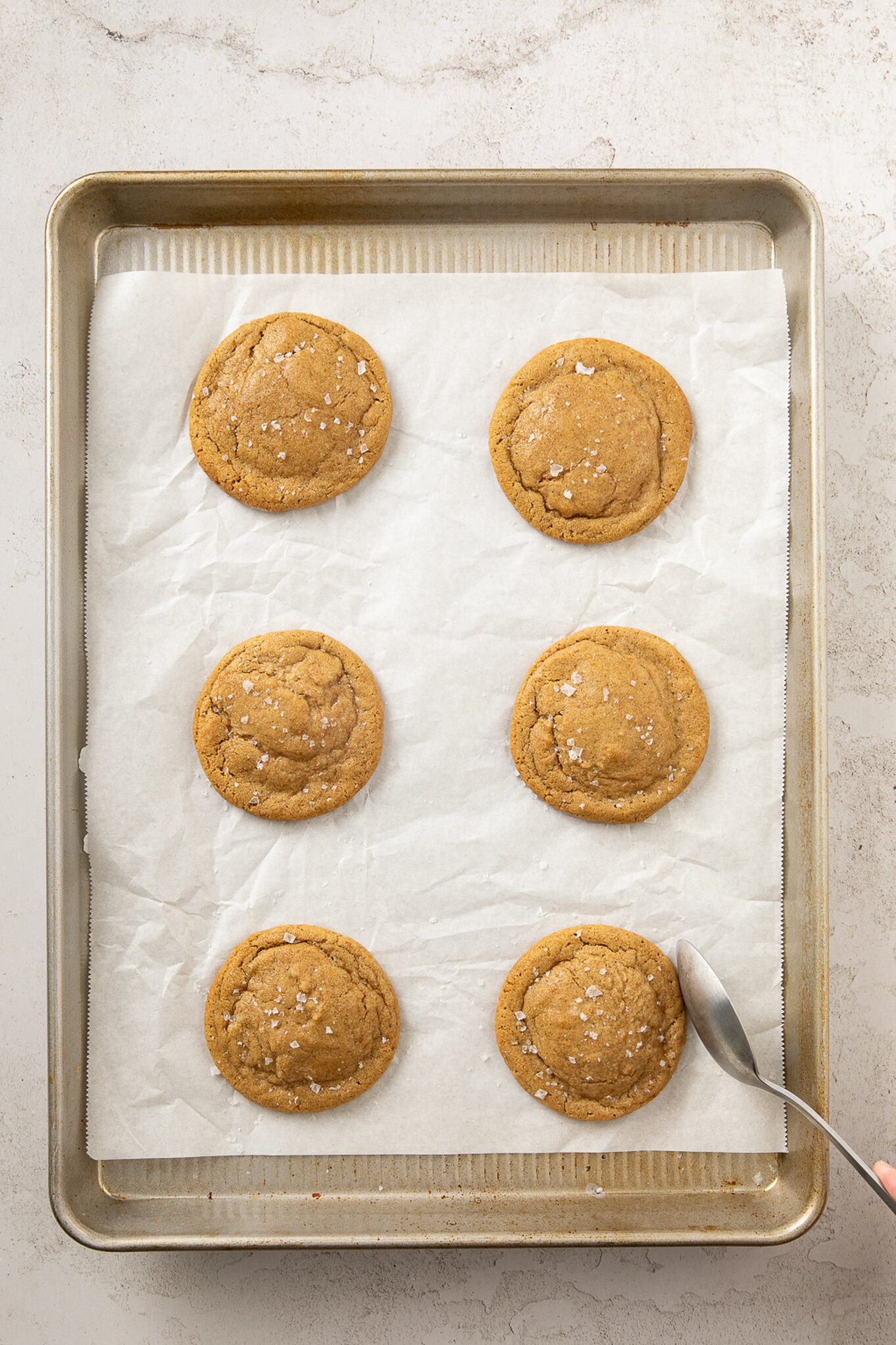
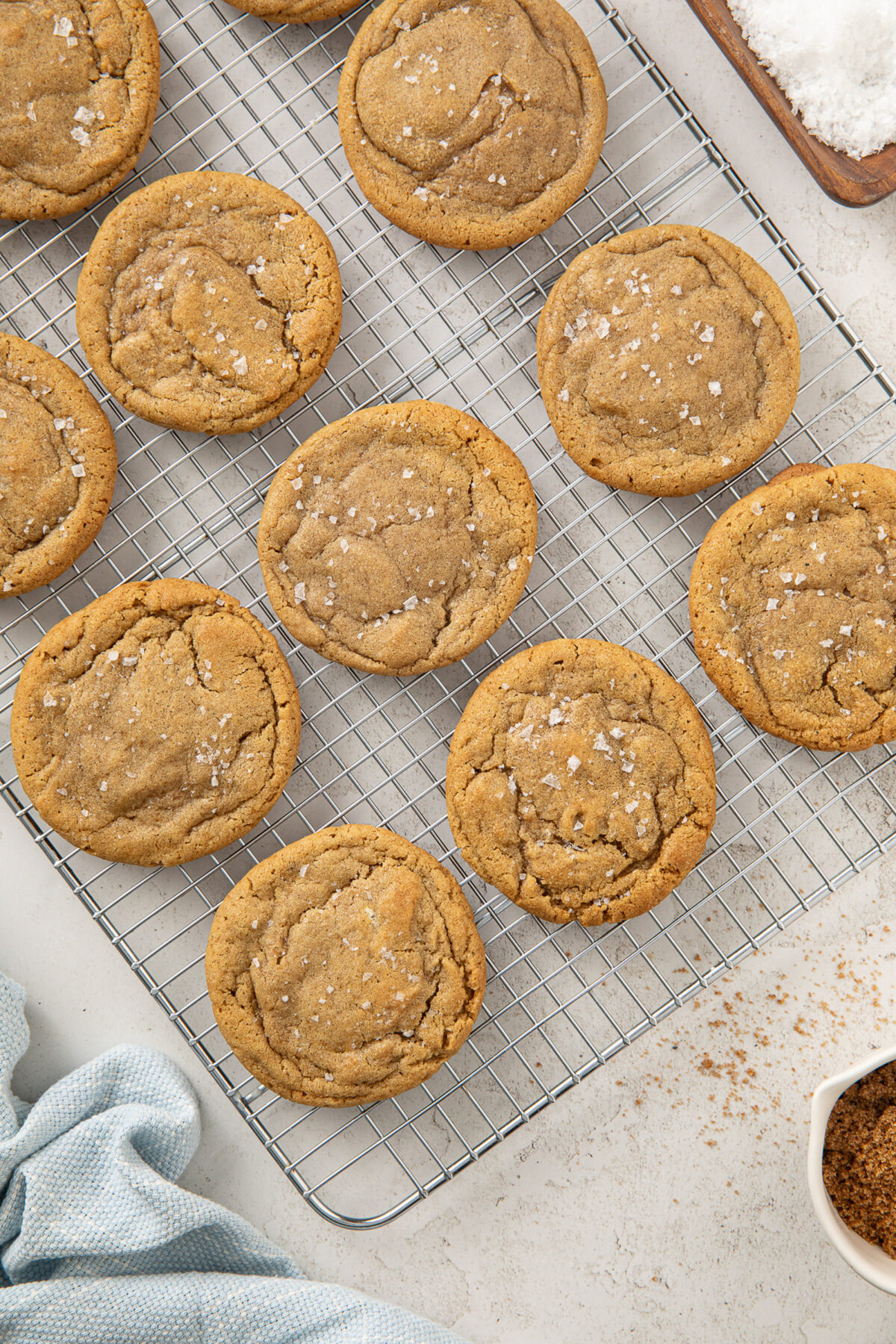
- Sprinkle with flaky salt right out of the oven, then cool on the pan for 10 minutes before moving them to a cooling rack.
- Optionally, tap tray on hard surface a few times to deflate the centers and give a cracked look. Press the back of a spoon against any uneven edges to create cookies that are perfect circles. Let the cookies cool on the pan for at least 10 minutes before moving them. They will look soft and fragile at first. This is normal.
Pro Tips for the Best Cookies
- For the most accurate measurements and best results, use a kitchen scale.
- Browning only half the butter, then melting the remaining butter into it, stops the browning before it gets too dark. It also preserves some of the butter’s moisture, helping the cookies stay soft. The extra flour and cornstarch are measured to work with this method.
- Using both cake flour and all-purpose flour gives the cookies a soft, tender, bakery-style texture. If you only have all-purpose flour, see the substitution note below.
- For the best results, use dark brown sugar. Its higher molasses content adds moisture and a deeper caramel flavor while helping the cookies stay soft for several days.
- Once you add the flour mixture, stir just until the streaks of flour disappear. Overmixing can make the cookies tough instead of soft and chewy.
- Chipless cookies naturally spread more because they don’t have chocolate chips helping hold the dough together. Chilling the dough, using cornstarch and cake flour, and shaping the dough into tall cylinders help keep the cookies thick.
- Every oven bakes a little differently, so watch the first pan closely and adjust the baking time by a minute if needed. Sprinkle the flaky salt over the cookies as soon as they come out of the oven so it sticks better.
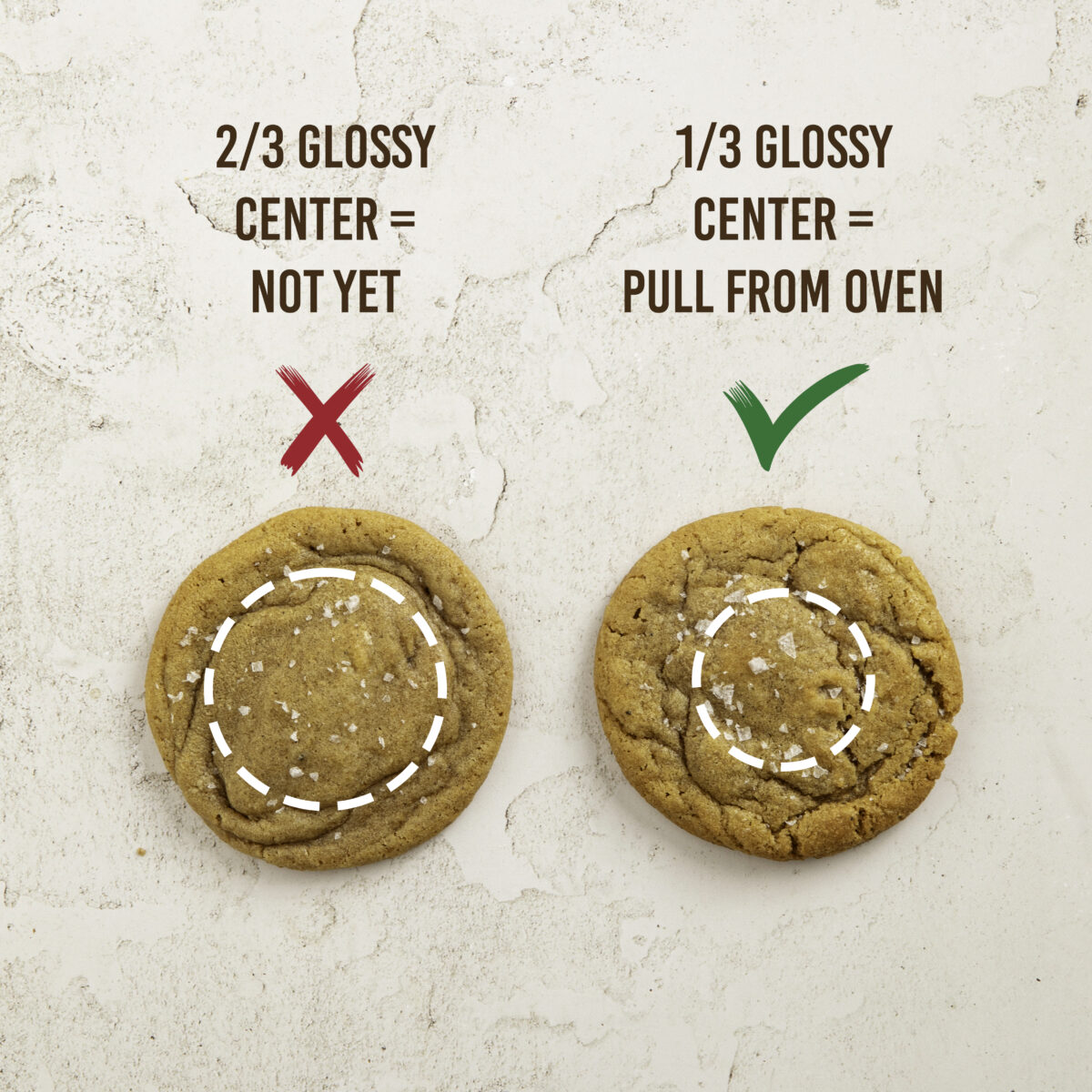
- Be careful not to overbake these cookies. Without chocolate chips adding pockets of moisture, the dough itself carries all the texture. Remove the cookies when the centers still look shiny and soft – they’ll finish baking on the hot pan:
Variations
Once you’ve got the classic version down, try stirring espresso powder into the hot brown butter for a coffee shop twist, swapping a little of the vanilla for bourbon, or adding warm spices like cinnamon and cardamom for a cozy, chai-inspired batch.
Servings Suggestions
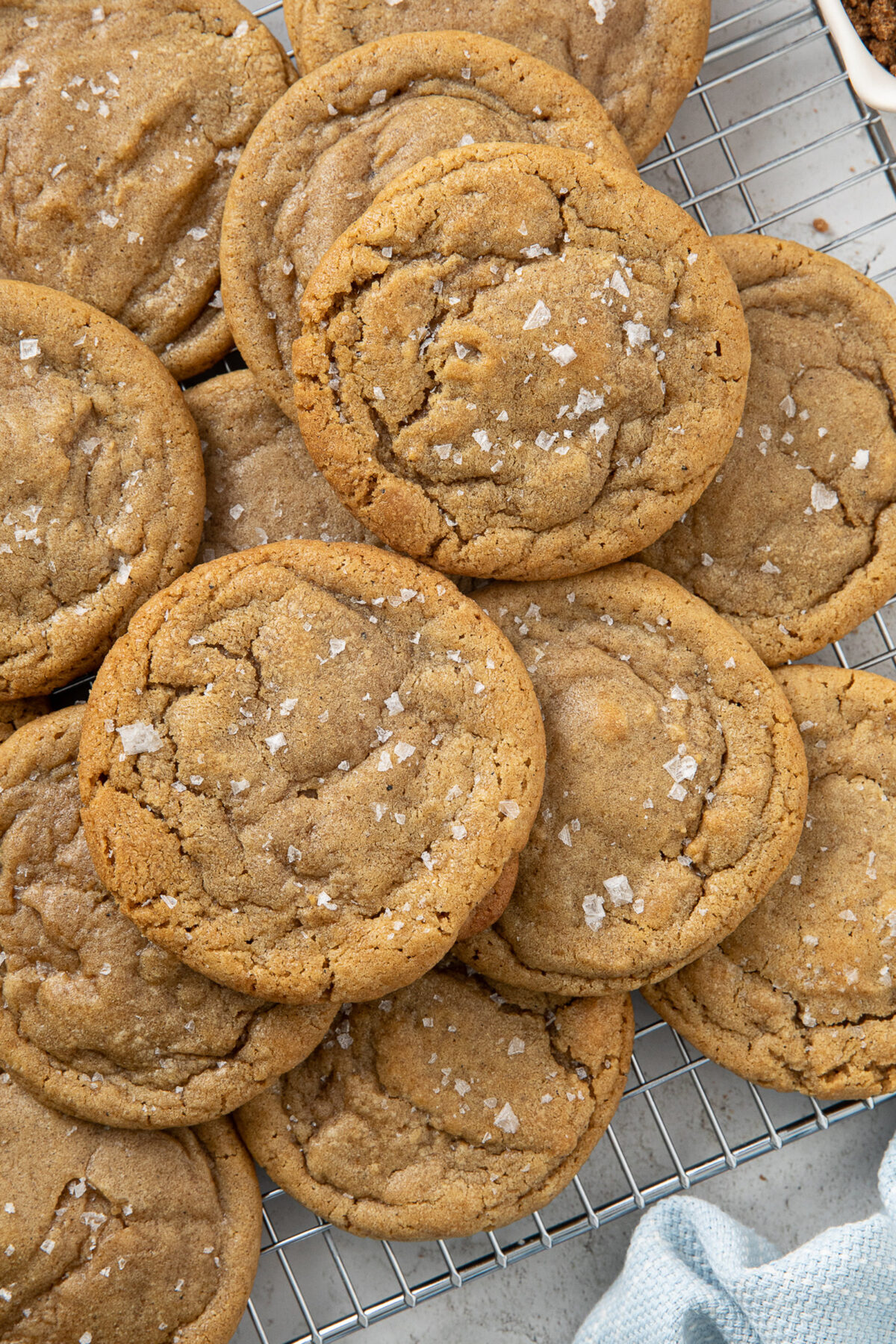
In my opinion, the only way to enjoy cookies is warm out of the oven with an ice-cold glass of milk. But of course, you could also eat them with a cup of coffee.
Storage
Store cooled chocolate chip-less cookies in an airtight container (or on a plate covered with plastic wrap) at room temperature for up to 5 days. To freeze, tuck baked cookies into a freezer bag for up to 2 months, or freeze unbaked cookie dough balls and bake straight from frozen, adding a couple of extra minutes to the baking time.
FAQ
Can I use light brown sugar instead of dark?You can, but dark brown sugar has more molasses in it, so it gives you a richer brown butter flavor and helps keep the cookies soft for longer.
Do I really need to chill the dough twice?Yes, and it’s worth it! Without chocolate chips to help hold their shape, this dough spreads more easily in the oven, and the fridge-then-freezer chill is what locks in that height before baking.
Can I freeze the cookie dough ahead of time?Absolutely. Shape the dough into cookie dough balls, freeze on a sheet pan until solid, then transfer to a freezer bag. Bake straight from frozen, adding a couple of extra minutes to the bake time.
I’d love to hear what you think if you give these a try! These will be your new favorite chewy chocolate chip cookies without the chips. Leave a comment and a star rating below, it helps me so much and I always love hearing which recipes become new favorites in your house.
Brown Butter Chocolate Chipless Cookies
Description
These Brown Butter Chocolate Chipless Cookies swap the chocolate chips for rich, nutty brown butter flavor and deep caramel notes, with a two-step chill that gives you thick, golden brown edges and soft, chewy centers every time. They’re perfect for a weekend baking day, a cookie swap, or anytime you want something a little different from your everyday chocolate chip cookie dough.
Ingredients
- 1 cup (227 g) unsalted butter, divided
- 1 tablespoon pure vanilla extract
- 1 cup plus 2 tablespoons (200 g) packed dark brown sugar
- 1/4 cup (50 g) granulated white sugar
- 2 tablespoons (30 g) confectioners sugar
- 1 large egg plus 1 large egg yolk, at room temperature
- 1 1/2 cups plus 1 tablespoon (184 g) all-purpose flour
- 1/2 cup plus 2 tablespoons (75 g) cake flour (see Notes for substitution)
- 1 tablespoon cornstarch
- 1 teaspoon baking soda
- 1/2 teaspoon baking powder
- 1 teaspoon table salt, or to taste
- Flaky sea salt, for finishing
Instructions
- Place 1/2 cup of the butter in a light-colored medium saucepan over medium heat.
- Stir frequently, scraping the bottom of the pan, for 6 to 8 minutes. The butter will foam, then the foam will settle.
- Watch for golden brown bits on the bottom of the pan and a nutty, toasty smell. As soon as the butter turns a rich amber color, remove the pan from the heat.
- Add the remaining 1/2 cup of butter in small pieces, stirring until melted. This stops the browning.
- Pour the butter into a large heatproof bowl and stir in the vanilla while it’s still hot.
- Let the butter cool to 65°F-70°F, about 20 to 30 minutes at room temperature. Don’t rush this step, or the cookies will spread thin in the oven.
- Add the dark brown sugar, white sugar, and confectioners sugar to the cooled butter.
- Whisk by hand for about 2 minutes, until smooth with no lumps.
- Add the egg and egg yolk. Whisk for about 1 minute, until glossy and slightly lighter in color.
- In a separate medium bowl, whisk together the all-purpose flour, cake flour, cornstarch, baking soda, baking powder, and salt.
- Add the flour mixture to the wet ingredients. Fold together gently with a rubber spatula just until no streaks of flour remain.
- Cover the bowl and refrigerate the dough for 30-60 minutes.
- While the dough chills, preheat the oven to 375°F (190°C) and line two cookie sheets with parchment paper.
- Scoop the chilled dough into 3-tablespoon portions.
- Shape each portion into a tall cylinder rather than a round ball.
- Place the dough 3 inches apart on the prepared cookie sheets, 6 to 8 per sheet.
- Put the baking sheet in the freezer for about 15 minutes before baking.
- Bake one sheet at a time on the center rack for 11-13 minutes.
- The cookies are done when the edges are golden brown and the centers still look soft and a little shiny.
- Sprinkle each cookie with flaky sea salt as soon as it comes out of the oven.
- Let the cookies cool on the pan for at least 10 minutes before moving them.
Notes
- For the most accurate measurements and best results, use a kitchen scale.
- Browning only half the butter, then melting the remaining butter into it, stops the browning before it gets too dark. It also preserves some of the butter’s moisture, helping the cookies stay soft. The extra flour and cornstarch are measured to work with this method.
- Using both cake flour and all-purpose flour gives the cookies a soft, tender, bakery-style texture. If you only have all-purpose flour, see the substitution note below.
- For the best results, use dark brown sugar. Its higher molasses content adds moisture and a deeper caramel flavor while helping the cookies stay soft for several days.
- Once you add the flour mixture, stir just until the streaks of flour disappear. Overmixing can make the cookies tough instead of soft and chewy.
- Chipless cookies naturally spread more because they don’t have chocolate chips helping hold the dough together. Chilling the dough, using cornstarch and cake flour, and shaping the dough into tall cylinders help keep the cookies thick.
- Be careful not to overbake these cookies. Without chocolate chips adding pockets of moisture, the dough itself carries all the texture. Remove the cookies when the centers still look shiny and soft—they’ll finish baking on the hot pan.
- Every oven bakes a little differently, so watch the first pan closely and adjust the baking time by a minute if needed.
- Sprinkle the flaky salt over the cookies as soon as they come out of the oven so it sticks better.
Nutrition
- Serving Size: 1 cookie
- Calories: 230
- Sugar: 16.2 g
- Sodium: 328.3 mg
- Fat: 12 g
- Carbohydrates: 29.1 g
- Fiber: 0.4 g
- Protein: 2.1 g
- Cholesterol: 42.1 mg